
The Power of Virtual Tours Benefits: Unlocking New Dimensions in Visualization
- Apr 27
- 4 min read
When I first encountered the concept of virtual tours, I was immediately struck by their potential. Imagine walking through a building that hasn’t been built yet or exploring a product design from every angle without leaving your desk. This is the power of virtual tours benefits, especially when enhanced by cutting-edge technology. Today, I want to share how these immersive experiences are transforming industries like architecture, real estate development, construction, branding, and product design.
Why Virtual Tours Benefits Matter More Than Ever
In a world where time is money and first impressions count, virtual tours offer a game-changing advantage. They allow stakeholders to experience spaces and products in a highly realistic way before any physical work begins. This means fewer misunderstandings, faster decision-making, and ultimately, better results.
Here’s why virtual tours benefits are crucial:
Enhanced Visualization: Instead of relying on blueprints or static images, you get a dynamic, 3D walkthrough.
Improved Communication: Everyone involved can see exactly what’s being discussed, reducing costly revisions.
Increased Engagement: Clients and partners feel more connected to the project, boosting confidence and excitement.
Time and Cost Efficiency: Virtual tours cut down on site visits and speed up approvals.
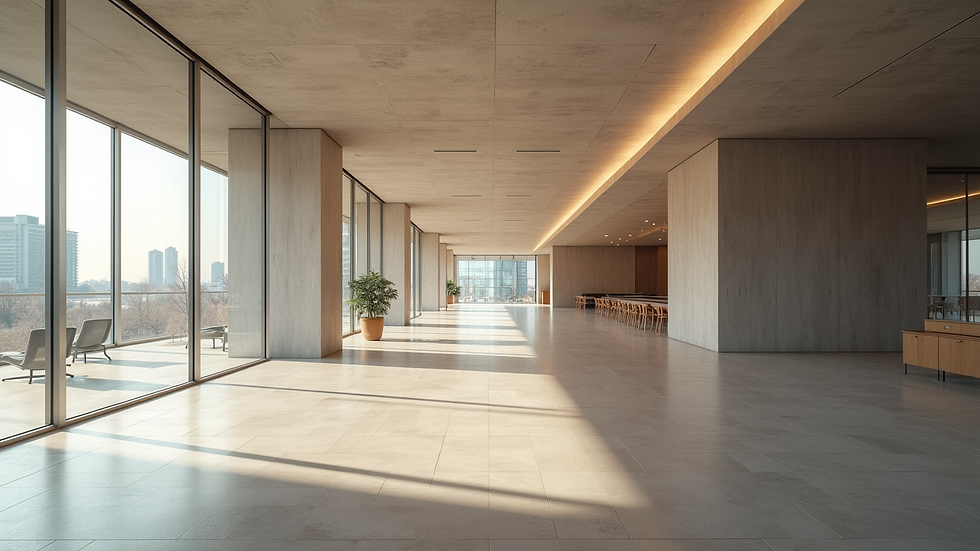
For example, an architect can present a photorealistic model of a new building to a client, who can then explore every room virtually. This interaction often leads to quicker feedback and fewer changes during construction.
How Virtual Tours Benefits Transform Project Development
Let’s dive deeper into how these benefits play out in real-world scenarios. For real estate developers, virtual tours provide a powerful sales tool. Potential buyers can explore properties remotely, making it easier to pre-sell units before construction finishes. This not only accelerates cash flow but also helps gauge market interest early on.
Construction companies use virtual tours to plan logistics and identify potential issues before breaking ground. By virtually walking through the site, teams can coordinate better and avoid costly mistakes.
Branding agencies and product designers leverage virtual tours to showcase their concepts in a compelling way. Imagine presenting a new product design in a virtual showroom where clients can interact with it from all angles. This immersive experience often leads to stronger buy-in and faster approvals.
Here’s a quick list of actionable ways to maximize virtual tours benefits in your projects:
Integrate Virtual Tours Early: Use them during the design phase to catch issues early.
Share Widely: Make tours accessible to all stakeholders via cloud platforms.
Combine with Analytics: Track how users interact with the tour to gather insights.
Update Regularly: Keep tours current as designs evolve to maintain relevance.
The Technology Behind the Magic
You might wonder, what makes these virtual tours so realistic and engaging? The secret lies in advanced 3D modeling, photorealistic rendering, and interactive software. These tools create immersive environments that feel almost tangible.
One standout feature is the ability to customize lighting, textures, and even time of day within the tour. This flexibility helps showcase a project’s full potential under different conditions.
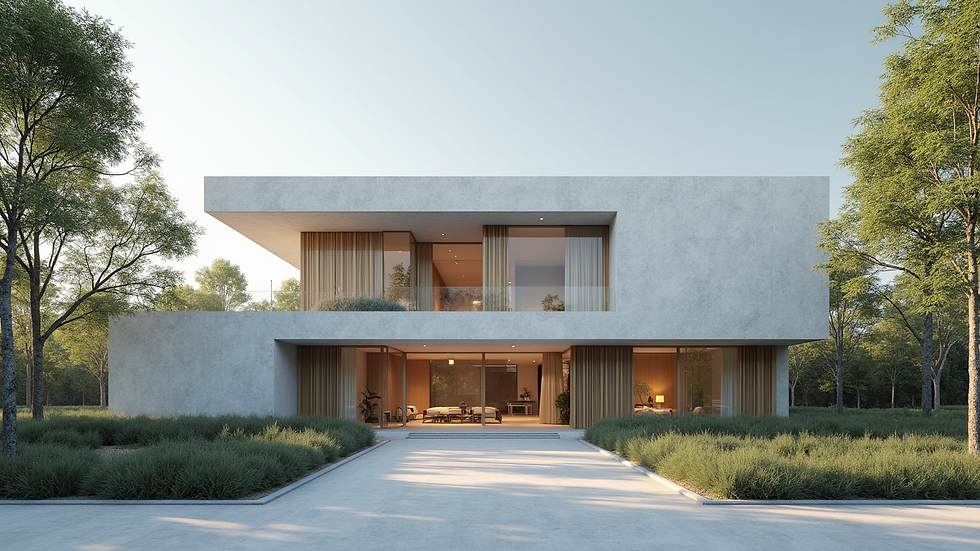
Moreover, the integration of virtual 3d tours allows users to navigate spaces intuitively, zoom in on details, and even measure dimensions. This level of interactivity sets virtual tours apart from traditional presentations.
Practical Tips for Creating Impactful Virtual Tours
Creating a virtual tour that truly captivates requires more than just technology. Here are some practical tips I’ve gathered from experience:
Focus on User Experience: Make navigation simple and intuitive. Avoid overwhelming users with too many options.
Highlight Key Features: Use hotspots or annotations to draw attention to important details.
Ensure High-Quality Visuals: Crisp textures and realistic lighting make a huge difference.
Test Across Devices: Your tour should work seamlessly on desktops, tablets, and smartphones.
Incorporate Feedback: Use client input to refine the tour and address any concerns.
By following these guidelines, you can create virtual tours that not only impress but also drive meaningful engagement.
Looking Ahead: The Future of Virtual Tours Benefits
The potential of virtual tours is only growing. As technology advances, we’ll see even more immersive experiences powered by augmented reality (AR) and virtual reality (VR). Imagine donning a headset and stepping inside a virtual building or product prototype as if it were real.
For professionals in architecture, real estate, construction, branding, and design, staying ahead means embracing these innovations. Virtual tours benefits will continue to evolve, offering new ways to visualize, communicate, and sell ideas.
If you’re ready to transform your projects and captivate your audience, exploring virtual tours is a smart move. They’re not just a trend - they’re a powerful tool that can elevate your work to new heights.
Embracing virtual tours benefits means embracing the future of visualization. Whether you’re showcasing a new development, planning a complex build, or presenting a product design, these immersive experiences bring your vision to life like never before. Why settle for static images when you can offer a dynamic, interactive journey? The power is in your hands.


Comments