
Transform Concepts with 3d Interior Rendering
- Apr 27
- 3 min read
When it comes to bringing architectural and design ideas to life, nothing beats the power of visualization. Imagine being able to walk through a space before a single brick is laid or a paint color is chosen. That’s the magic of 3d interior rendering. It transforms abstract concepts into vivid, photorealistic images that speak louder than words ever could. Whether you’re planning a residential project, a commercial space, or a branding environment, this technology is a game-changer.
Let’s dive into how 3d interior rendering can elevate your projects, streamline communication, and ultimately help you close deals faster.
Why 3d Interior Rendering is a Must-Have Tool
In the fast-paced world of architecture and real estate development, clarity and precision are everything. Traditional blueprints and sketches often leave room for interpretation. That’s where 3d interior rendering steps in. It offers:
Realistic visualization: See exactly how materials, lighting, and furniture will look.
Improved client communication: Clients understand the design intent without confusion.
Faster decision-making: Spot potential issues early and make changes before construction.
Marketing advantage: Stunning visuals attract buyers and investors.
Think about it - how many times have you struggled to explain a design concept over a 2D plan? With 3d interior rendering, you don’t have to rely on imagination alone. You can show, not just tell.

The Impact of 3d Interior Rendering on Project Workflow
Integrating 3d interior rendering into your workflow doesn’t just improve visuals; it transforms the entire project lifecycle. Here’s how:
Concept Development
Early-stage ideas become tangible. You can experiment with layouts, colors, and textures without costly physical prototypes.
Client Presentations
Presentations become immersive experiences. Clients can virtually walk through spaces, making feedback more precise and productive.
Collaboration
Teams across disciplines - architects, designers, contractors - stay aligned with a shared visual reference.
Pre-Selling and Marketing
Real estate developers can showcase properties before completion, generating interest and securing buyers early.
By adopting 3d interior rendering, you reduce misunderstandings and revisions, saving time and money. It’s a win-win for everyone involved.
What is 3D Rendering in Interior Design?
At its core, 3D rendering in interior design is the process of creating digital images that represent interior spaces with high realism. Using specialized software, designers build virtual models that simulate:
Textures and materials: From glossy marble to soft fabrics.
Lighting effects: Natural sunlight, artificial lights, shadows.
Furniture and decor: Accurate scale and placement.
Spatial relationships: How elements interact within the room.
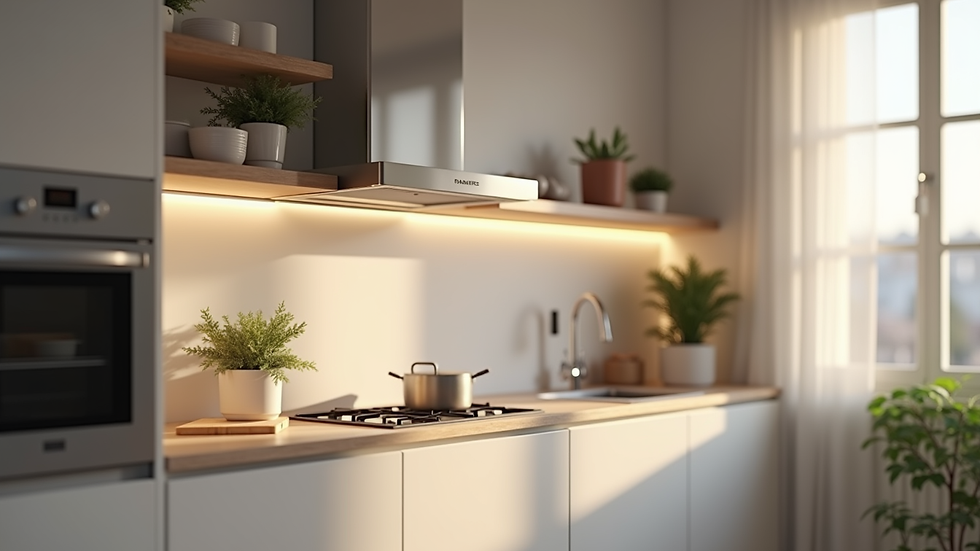
The result? Photorealistic images or animations that look like actual photographs. This technology bridges the gap between imagination and reality, allowing stakeholders to experience the design before it exists physically.
Practical Tips for Maximizing 3d Interior Rendering Benefits
To get the most out of 3d interior rendering, consider these actionable recommendations:
Start early: Incorporate rendering in the initial design phase to explore options freely.
Focus on details: High-quality textures and lighting make a huge difference in realism.
Use walkthroughs: Animated tours help clients understand flow and space better than static images.
Customize for your audience: Tailor visuals to highlight features that matter most to your clients or investors.
Leverage feedback loops: Share renders with your team and clients to gather input and refine designs quickly.
Remember, the goal is to create visuals that not only impress but also inform and guide decisions. Don’t hesitate to invest in professional rendering services if needed - the return on investment can be substantial.
Embracing the Future of Design Visualization
The design industry is evolving rapidly, and 3d interior rendering is at the forefront of this transformation. It empowers architects, real estate developers, and designers to communicate ideas with unprecedented clarity and impact. By turning concepts into stunning, photorealistic visuals, it accelerates project approvals and boosts client confidence.
If you haven’t explored this technology yet, now is the perfect time. Imagine the possibilities when your ideas leap off the page and into immersive, lifelike experiences. That’s the future of design - and it’s here today.
Ready to transform your concepts? Discover how 3d interior design rendering can elevate your projects and help you pre-sell faster and more effectively.


Comments