
Achieving Photorealism Rendering: Bringing Designs to Life
- 2 days ago
- 4 min read
When it comes to visualizing architectural projects, product designs, or real estate developments, nothing beats the power of photorealistic images. They don’t just show a concept; they bring it to life. I’ve seen firsthand how photorealism can transform a simple idea into a compelling story that clients and stakeholders can instantly connect with. But how exactly do you achieve this level of realism? Let’s dive into the art and science behind photorealistic rendering and explore practical ways to elevate your visual presentations.
The Magic Behind Achieving Photorealism Rendering
Photorealism rendering is more than just creating a pretty picture. It’s about replicating reality so closely that the viewer can almost feel the texture, temperature, and atmosphere of the scene. Achieving this requires a blend of technical skill, artistic insight, and the right tools.
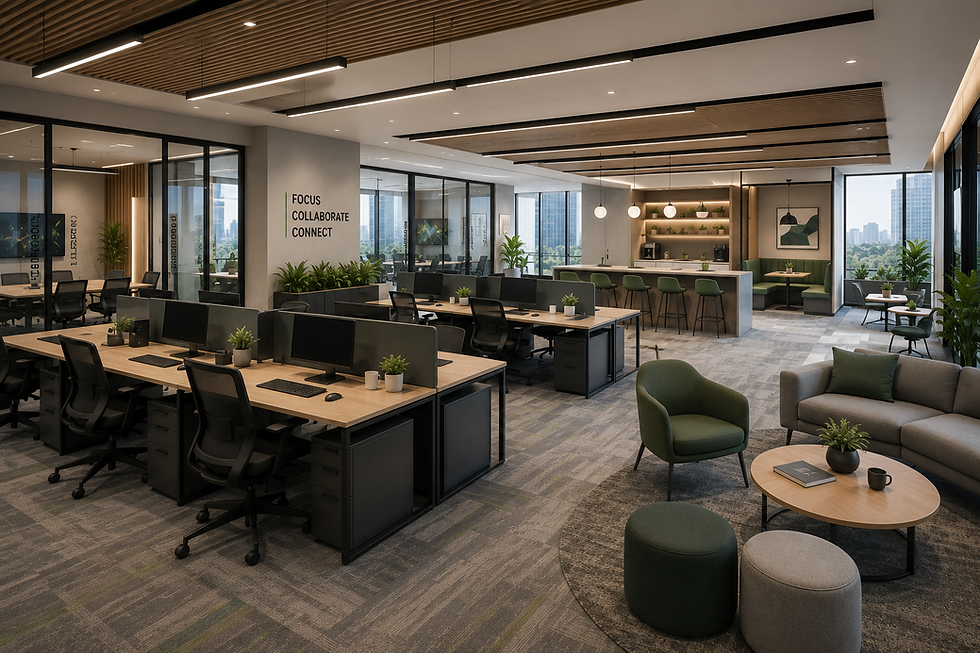
At its core, photorealistic rendering involves simulating how light interacts with surfaces. This means accounting for reflections, refractions, shadows, and even subtle effects like ambient occlusion and global illumination. When these elements come together, the result is an image that looks like a high-resolution photograph rather than a computer-generated graphic.
Here are some key factors that contribute to achieving photorealism rendering:
Accurate Lighting: Natural and artificial light sources must be simulated realistically. This includes the direction, intensity, and color temperature of light.
Material Properties: Surfaces need to have correct textures and physical properties such as glossiness, roughness, and transparency.
Camera Settings: Just like a real camera, virtual cameras have settings like aperture, focal length, and depth of field that affect the final image.
Post-Processing: Color grading, contrast adjustments, and subtle effects like bloom or lens flares can enhance realism.
By mastering these elements, you can create visuals that not only impress but also communicate your design intent clearly.

Practical Steps to Enhance Your Renderings
You might wonder, “Where do I start? How can I make my renderings more lifelike without spending endless hours?” Here are some actionable tips that have helped me and many professionals in the field:
Use High-Quality Textures: Don’t settle for low-res or generic textures. Invest time in sourcing or creating detailed textures that match your materials perfectly.
Focus on Lighting Setup: Experiment with different lighting scenarios. Try to mimic the time of day and weather conditions relevant to your project.
Incorporate Realistic Details: Small elements like imperfections, dirt, or wear and tear add authenticity. Perfectly clean and flawless surfaces often look artificial.
Leverage HDRI Maps: High Dynamic Range Images provide realistic environmental lighting and reflections, making scenes feel more natural.
Optimize Render Settings: Balance quality and render time by adjusting parameters like anti-aliasing, ray depth, and sampling rates.
Use Depth of Field: This technique mimics camera focus, drawing attention to key areas and adding a photographic touch.
Add Human Scale Elements: Including furniture, plants, or even a single person can help viewers relate to the space.
Remember, achieving photorealism is a process of continuous refinement. Don’t hesitate to iterate and seek feedback.
Why Photorealistic Rendering Services Matter
Outsourcing to professional photorealistic rendering services can be a game-changer. These experts bring specialized knowledge, cutting-edge software, and a fresh perspective that can elevate your project visuals beyond what’s possible in-house.
Here’s why partnering with such services makes sense:
Time Efficiency: Save valuable time by letting specialists handle complex rendering tasks.
Consistent Quality: Benefit from high standards and attention to detail that ensure every image meets your expectations.
Advanced Techniques: Access to the latest rendering technologies and workflows.
Customization: Tailored visuals that align perfectly with your brand and project goals.
Faster Decision-Making: Stunning visuals help clients and stakeholders understand and approve designs quickly.
Whether you’re pitching a new development or showcasing a product prototype, professional rendering services can help you communicate your vision with clarity and impact.

Integrating Photorealistic Renderings into Your Workflow
To get the most out of photorealistic renderings, it’s important to integrate them seamlessly into your project workflow. Here’s how you can do that effectively:
Early Concept Visualization: Use renderings to explore design options and identify potential issues before construction or production begins.
Marketing and Sales: High-quality images can be used in brochures, websites, and presentations to attract buyers and investors.
Client Communication: Visuals help bridge the gap between technical drawings and client understanding, reducing misinterpretations.
Virtual Reality and Interactive Tours: Combine photorealistic renderings with VR to offer immersive experiences.
Feedback and Revisions: Share renderings with your team and clients to gather input and make informed adjustments.
By embedding photorealistic visuals at multiple stages, you enhance collaboration and increase the chances of project success.
Elevate Your Projects with Realism That Resonates
In the end, achieving photorealism rendering is about more than just technical prowess. It’s about telling a story that resonates with your audience. When your visuals look real, they evoke emotions, build trust, and inspire action.
So, why settle for flat, uninspiring images when you can create stunning, lifelike representations? Whether you’re designing a sleek office building, a cozy residential space, or an innovative product, photorealistic rendering services can help you showcase your vision in the best light.
Take the leap. Embrace the power of photorealism and watch your projects come alive like never before.

Comments