
Elevating the Dining Experience in Hotels to Attract Modern Consumers
The New Standard: Dining as a Key Differentiator
In today's hospitality design scene, the eating experience has become as important as the room itself. Modern luxury hotels are more than just about comfort and location; they are about the entire, complete experience. Travelers today anticipate elevated restaurant design, culinary creativity, and immersive experiences. According to studies, hotel branding along with a great dining experience drives genuine value, affecting visitors' booking decisions and value perceptions.
Celebrity Chef Partnerships: The Secret Ingredient
The appearance of a famous chef is no longer a luxury, but rather a commercial strategy. A luxury hotel that collaborates with a celebrity chef or has an award-winning restaurant attracts not only attention, but also income. According to current research, these hotels can charge 8.8% more ADR and earn 18.6% more RevPAR than competitors. It's apparent that hotel branding that reflects culinary prestige pays off—literally.
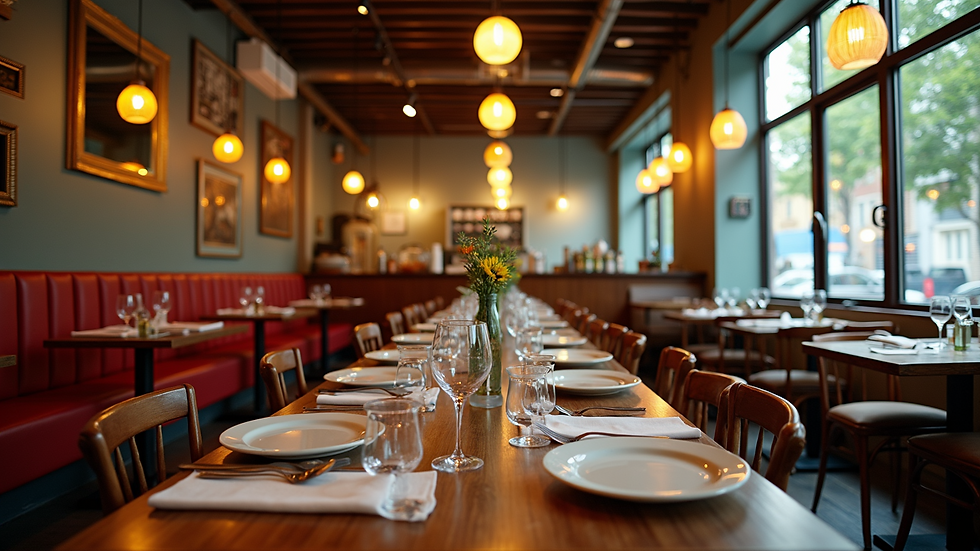
Restaurant Design That Tells a Story
A hotel restaurant is no longer simply a place to eat. Today's travelers want restaurant designs that tell a story. From locally sourced materials to themed décor, the eating experience now begins the moment a guest walks in. Smart hospitality design combines aspects that generate visual intrigue, emotional resonance, and a sense of exclusivity—all of which are enhanced by intelligent 3D visualization throughout the planning phase.
The Economic Impact of Elevated Hospitality Design
It's more than simply aesthetics. Strategic restaurant design strengthens hotel branding and increases revenue. On average, food and beverage operations provide 27.8% of gross hotel revenues. Integrating high-concept dining areas into luxury hotels results in increased guest happiness, positive reviews, and stronger brand loyalty. And, with more than half of worldwide passengers making restaurant reservations before flying, the demand is only increasing.
A New Era of Collaboration
Elevating the Dining Experience - The relationship between luxury hotels and restaurants is shifting. Celebrity chefs and hoteliers are creating collaborations, whether through leases or non-lease agreements, to create standout destinations. These collaborations are mutually beneficial: hospitality design that attracts attention, increases bookings, and redefines the dining experience in today's premium hotel environment.

Frequently Asked Questions (FAQ)
Q: Why are luxury hotels investing so much in restaurant design?
A: Because the eating experience has become a key driver of guest happiness and income. Smart restaurant design improves hotel branding, attracts customers, and increases total profitability.
Q: How do celebrity chefs affect hotel revenues?
A: Hotels affiliated with a famous chef can charge higher hotel rates while earning much more income per room than competitors—up to 18.6% more RevPAR.
Q: What role does 3D rendering have in hospitality design?
A: 3D rendering allows for the visualization and refinement of restaurant designs prior to construction, assuring seamless integration into the luxury hotel's branding and layout.
Q: Do travelers actually prioritize meals over other amenities?
A: Yes. According to research, 50% of global travelers increasingly schedule dining experiences ahead of time, making dining an important factor in travel decisions.
Q: Can restaurant design affect internet ratings and bookings?
A: Absolutely. Hotels that invest in distinctive hospitality design and memorable dining experiences receive a 40% rise in favorable feedback year after year.
Wrapping Up - Elevating the Dining Experience
As the hospitality industry evolves, improving the dining experience is critical to attracting today's customers. Hotels may considerably increase their attractiveness by offering distinctive culinary experiences, emphasizing atmosphere, catering to a variety of dietary preferences, introducing creative dining concepts, harnessing technology, and cooperating with local artisans.
Those who prioritize outstanding dining will not only fulfill modern travelers' expectations, but will also build long-term partnerships that drive repeat business. Understanding the impact of food culture in visitor happiness enables hotels to stand out in a congested marketplace.


Comments