
How Realistic 3D Rendering Solutions Transform Visual Planning
- 7 hours ago
- 4 min read
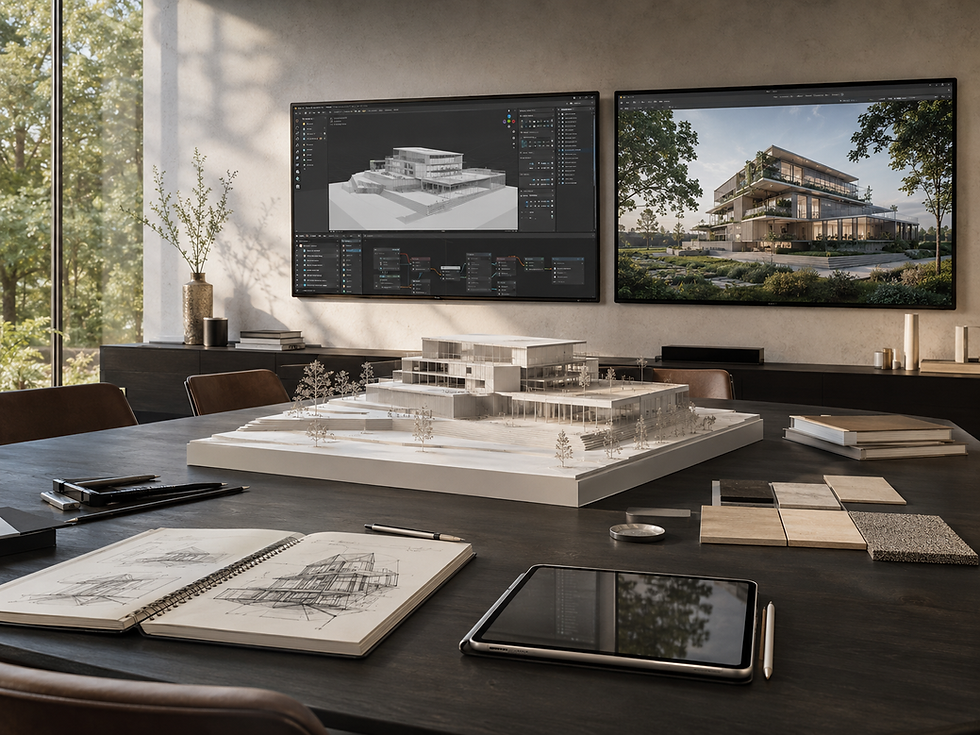
Visual planning has evolved dramatically over the past decade. Gone are the days when blueprints and sketches were the only tools to communicate design ideas. Today, realistic 3D rendering solutions bring concepts to life with stunning clarity and precision. These tools don’t just show what a project might look like—they immerse you in the experience before a single brick is laid.
Imagine walking through a building that only exists on paper or seeing a product prototype in full color and detail without manufacturing it. That’s the power of modern 3D rendering. It’s a game-changer for architects, real estate developers, construction companies, branding agencies, and product designers alike.
Why Realistic 3D Rendering Solutions Matter in Visual Planning
Realistic 3D rendering solutions provide a bridge between imagination and reality. They allow you to visualize every detail of a project, from lighting and textures to spatial relationships and materials. This level of detail helps avoid costly mistakes and miscommunications during the design and construction phases.
For example, an architect can present a photorealistic image of a building’s facade to clients, who might otherwise struggle to interpret technical drawings. Real estate developers can showcase future properties in their best light, attracting buyers and investors with compelling visuals. Construction teams can better understand project requirements, reducing delays and errors.
The benefits don’t stop there:
Enhanced communication: Everyone involved in a project shares a clear, unified vision.
Faster decision-making: Visuals speed up approvals and revisions.
Cost savings: Early detection of design flaws prevents expensive changes later.
Marketing edge: High-quality visuals boost promotional efforts and pre-sales.

How Realistic 3D Rendering Solutions Improve Collaboration
Collaboration is at the heart of any successful project. Realistic 3D rendering solutions foster teamwork by providing a common visual language. When everyone sees the same detailed images, misunderstandings drop dramatically.
Consider a construction company coordinating with architects and engineers. Instead of relying on verbal descriptions or 2D plans, they can explore a 3D model together. This shared experience helps identify potential issues like structural conflicts or design inconsistencies early on.
Moreover, these solutions support interactive presentations. Stakeholders can request changes on the spot, experiment with different materials or layouts, and instantly see the results. This dynamic process keeps projects agile and responsive to feedback.
For branding agencies and product designers, 3D renderings offer a way to test visual concepts before production. They can tweak colors, shapes, and finishes digitally, ensuring the final product aligns perfectly with the brand identity.
Can ChatGPT create renderings?
You might wonder if AI tools like ChatGPT can generate 3D renderings. While ChatGPT excels at generating text-based content, it doesn’t create visual images or 3D models. However, it can assist in the creative process by:
Writing detailed descriptions for rendering briefs.
Suggesting design ideas or improvements.
Explaining technical concepts related to 3D modeling.
For actual 3D rendering, specialized software and skilled artists are essential. These professionals use tools like Blender, 3ds Max, or Lumion to craft photorealistic visuals that meet exacting standards.
So, while ChatGPT can support your workflow with ideas and explanations, turning those ideas into vivid, realistic images requires dedicated rendering services.
Practical Tips for Integrating 3D Rendering into Your Workflow
If you’re ready to harness the power of realistic 3D rendering solutions, here are some actionable recommendations to get started:
Define your goals clearly: Know what you want to achieve with your renderings—whether it’s client presentations, marketing materials, or internal planning.
Choose the right level of detail: Not every project needs hyper-realistic visuals. Sometimes, simpler models suffice for early-stage discussions.
Collaborate with experienced professionals: Partner with skilled 3D artists or studios who understand your industry and can translate your vision accurately.
Use renderings as communication tools: Share visuals regularly with your team and clients to keep everyone aligned.
Leverage interactive and VR options: Explore immersive technologies that allow stakeholders to “walk through” designs virtually.
Plan for revisions: Build time into your schedule for feedback and adjustments to ensure the final renderings meet expectations.
By following these steps, you’ll maximize the impact of your visual planning and reduce costly surprises down the line.

The Future of Visual Planning with 3D Rendering
The future looks bright for realistic 3D rendering solutions. Advances in AI, real-time rendering, and virtual reality are pushing the boundaries of what’s possible. Imagine clients donning VR headsets to explore a building before construction starts or product designers instantly visualizing prototypes with AI-assisted tools.
As these technologies become more accessible, they’ll democratize high-quality visual planning. Smaller firms and individual designers will gain the same advantages as large corporations, leveling the playing field.
Moreover, sustainability considerations will benefit from 3D renderings. Designers can simulate energy efficiency, lighting conditions, and material impacts, making smarter choices that reduce environmental footprints.
In short, realistic 3D rendering solutions are not just tools—they’re catalysts for innovation, collaboration, and smarter decision-making.
Embracing 3D Rendering Services for Your Projects
If you want to transform your visual planning process, consider partnering with expert 3d rendering services. They bring technical expertise and artistic skill to your projects, turning concepts into stunning, photorealistic visuals that speak louder than words.
By integrating these services, you’ll:
Accelerate project timelines.
Improve stakeholder engagement.
Enhance marketing and sales efforts.
Reduce risks and costs.
The investment pays off in clearer communication and more confident decision-making. So why wait? Dive into the world of realistic 3D rendering solutions and watch your ideas come alive like never before.


Comments