
Exploring Modern Architectural Solutions for Contemporary Needs
- 1 day ago
- 4 min read
In today’s fast-paced world, architectural design is evolving rapidly to meet the demands of modern living and working environments. We’re no longer just building structures; we’re crafting experiences, blending functionality with aesthetics, and integrating technology seamlessly. This shift calls for innovative approaches and specialized expertise. So, how do modern architectural solutions rise to the challenge? Let’s dive into the dynamic world of architecture and uncover how these services transform ideas into reality.
Embracing Modern Architectural Solutions: What Sets Them Apart?
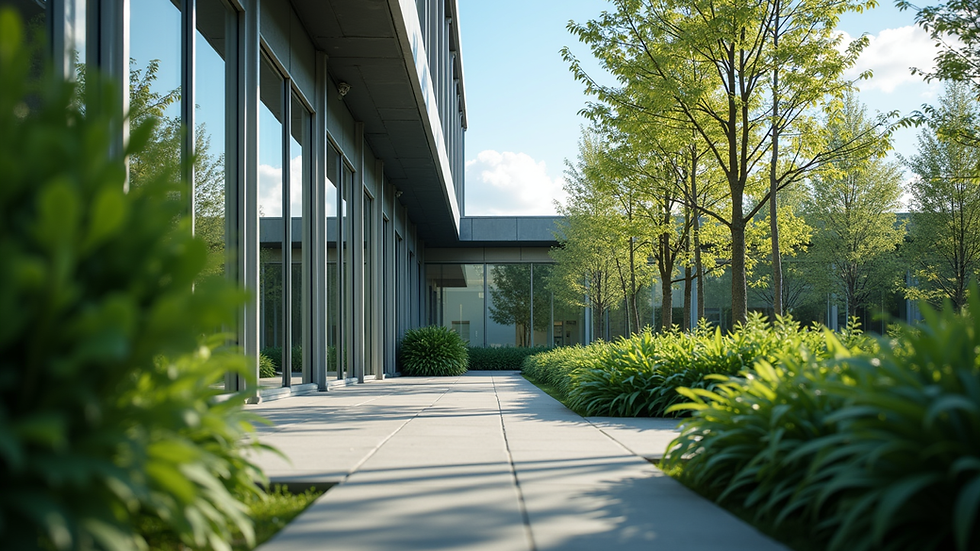
Modern architectural solutions are about more than just sleek designs and trendy materials. They focus on sustainability, adaptability, and user-centric spaces. Imagine a building that not only looks stunning but also reduces energy consumption, adapts to changing needs, and enhances the well-being of its occupants. That’s the power of modern architecture.
Take, for example, the rise of smart buildings equipped with IoT devices that monitor and optimize energy use. Or consider modular construction techniques that speed up project timelines without compromising quality. These innovations reflect a broader trend: architecture that responds intelligently to environmental and social factors.
Here’s what makes modern architectural solutions stand out:
Sustainability: Using eco-friendly materials and energy-efficient systems.
Technology Integration: Incorporating smart systems for lighting, climate control, and security.
Flexibility: Designing spaces that can evolve with changing needs.
Aesthetic Innovation: Blending form and function with creative design elements.
By focusing on these aspects, architects and developers can create spaces that are not only beautiful but also practical and future-proof.
What are the 7 Major Architectural Services?
Understanding the core services in architecture helps clarify how projects move from concept to completion. These seven major architectural services form the backbone of any successful project:
Pre-Design
This initial phase involves research, feasibility studies, and site analysis. It sets the foundation by understanding client needs and project constraints.
Schematic Design
Architects develop rough sketches and conceptual layouts. This stage focuses on exploring ideas and establishing the project’s overall vision.
Design Development
The chosen concept is refined with detailed drawings, material selections, and structural considerations. Collaboration with engineers and consultants often begins here.
Construction Documents
Detailed blueprints and specifications are prepared for contractors. These documents guide the actual building process.
Bidding or Negotiation
Architects assist clients in selecting contractors through bids or negotiations, ensuring the project stays within budget and meets quality standards.
Construction Administration
During construction, architects oversee progress, address issues, and ensure compliance with design intent and regulations.
Post-Construction Services
After completion, architects may provide support for maintenance, renovations, or performance evaluations.
Each service plays a crucial role in delivering a successful project. Skipping any step can lead to costly mistakes or missed opportunities.
How Technology is Revolutionizing Architectural Design
Technology is a game-changer in architecture. From 3D modeling to virtual reality, it’s reshaping how we visualize, plan, and execute projects. Imagine walking through a photorealistic 3D rendering of your future building before a single brick is laid. This immersive experience helps identify design flaws early and makes client presentations more compelling.
Building Information Modeling (BIM) is another breakthrough. It creates a digital twin of the project, integrating architectural, structural, and MEP (mechanical, electrical, plumbing) data. This holistic approach improves coordination, reduces errors, and accelerates decision-making.
Moreover, drones and laser scanning provide precise site data, enhancing accuracy in design and construction. These tools empower architects and developers to work smarter, not harder.

Practical Tips for Choosing the Right Architectural Design Partner
Selecting the right partner for your project can make all the difference. Here are some actionable tips to guide your decision:
Look for Experience in Your Project Type
Whether it’s residential, commercial, or mixed-use, find architects who have a proven track record in similar projects.
Evaluate Their Use of Technology
Partners who leverage modern tools like BIM and 3D visualization can deliver better results faster.
Check Client References and Portfolios
Past work reveals their style, quality, and reliability.
Assess Communication and Collaboration Skills
Architecture is a team effort. Choose partners who listen, respond promptly, and work transparently.
Consider Sustainability Expertise
Green building practices are increasingly important. Ensure your partner understands and prioritizes eco-friendly design.
By following these guidelines, you’ll find a collaborator who not only meets your technical needs but also shares your vision.
Why Visualization is Key in Modern Architectural Projects
Visualization bridges the gap between abstract ideas and tangible outcomes. It’s no surprise that architectural design services now emphasize photorealistic renderings and animations. These tools help stakeholders—from investors to end-users—grasp the project’s potential.
Visuals also facilitate faster approvals and pre-sales. When clients can see exactly what they’re investing in, confidence grows. This reduces uncertainty and accelerates decision-making.
For developers and branding agencies, visualization supports marketing efforts by showcasing unique features and design quality. It’s a powerful way to tell a story and create emotional connections.
In short, investing in high-quality visualization is not just a luxury; it’s a strategic necessity.
Looking Ahead: The Future of Architectural Design Services
The future of architecture is bright and full of possibilities. As urban populations grow and environmental challenges intensify, architects must innovate continuously. Expect to see more integration of AI for design optimization, increased use of sustainable materials, and smarter buildings that adapt in real-time.
Collaboration will also deepen across disciplines. Architects, engineers, developers, and designers will work more closely, supported by digital platforms that streamline communication and data sharing.
For those involved in the industry, staying ahead means embracing change and investing in cutting-edge tools and skills. The projects of tomorrow will be smarter, greener, and more responsive than ever before.
Exploring modern architectural solutions reveals a vibrant landscape where creativity meets technology and sustainability. By understanding the services involved, leveraging new tools, and choosing the right partners, we can shape spaces that inspire and endure. Ready to transform your next project? The future of architecture is waiting.


Comments